Creating a safe workout environment at home is essential for injury-free exercise. Start by choosing a space that is free from clutter and distractions. This will give you ample room to move around and prevent any accidents caused by tripping over furniture or equipment. A clear area allows you to focus solely on your workouts without worrying about obstacles in your path.
Next, consider the flooring of your workout area. If you can, use mats or gym flooring designed to absorb impact and provide grip. This will enhance your stability during exercises and minimize the risk of slipping or falling. Make sure the surface is even and well-maintained, as uneven or damaged flooring can lead to accidents.
Lighting is another critical factor in preparing your space. Ensure that your workout area is well-lit to improve visibility of your equipment and surroundings. Natural light is a bonus, but if working out in the evening, bright overhead lights or lamps can help you see clearly and avoid hazards. Also, make sure that electrical cords and wires are secured and out of the way to prevent trips.
Lastly, keep all your equipment organized and in good condition. Store weights, resistance bands, and other gear in designated spots, making them easy to access while keeping them out of the way when not in use. Regularly check your equipment for wear and tear, and replace any damaged items promptly to ensure your safety during each workout session.
Choose the Right Equipment for You
When it comes to setting up your home gym, choosing the right equipment is essential for both safety and effectiveness. It's easy to get overwhelmed by the sheer variety of gym gear available, but focusing on your personal fitness goals and available space can help narrow down your options. Consider the types of workouts you enjoy and what will keep you motivated to stay active.
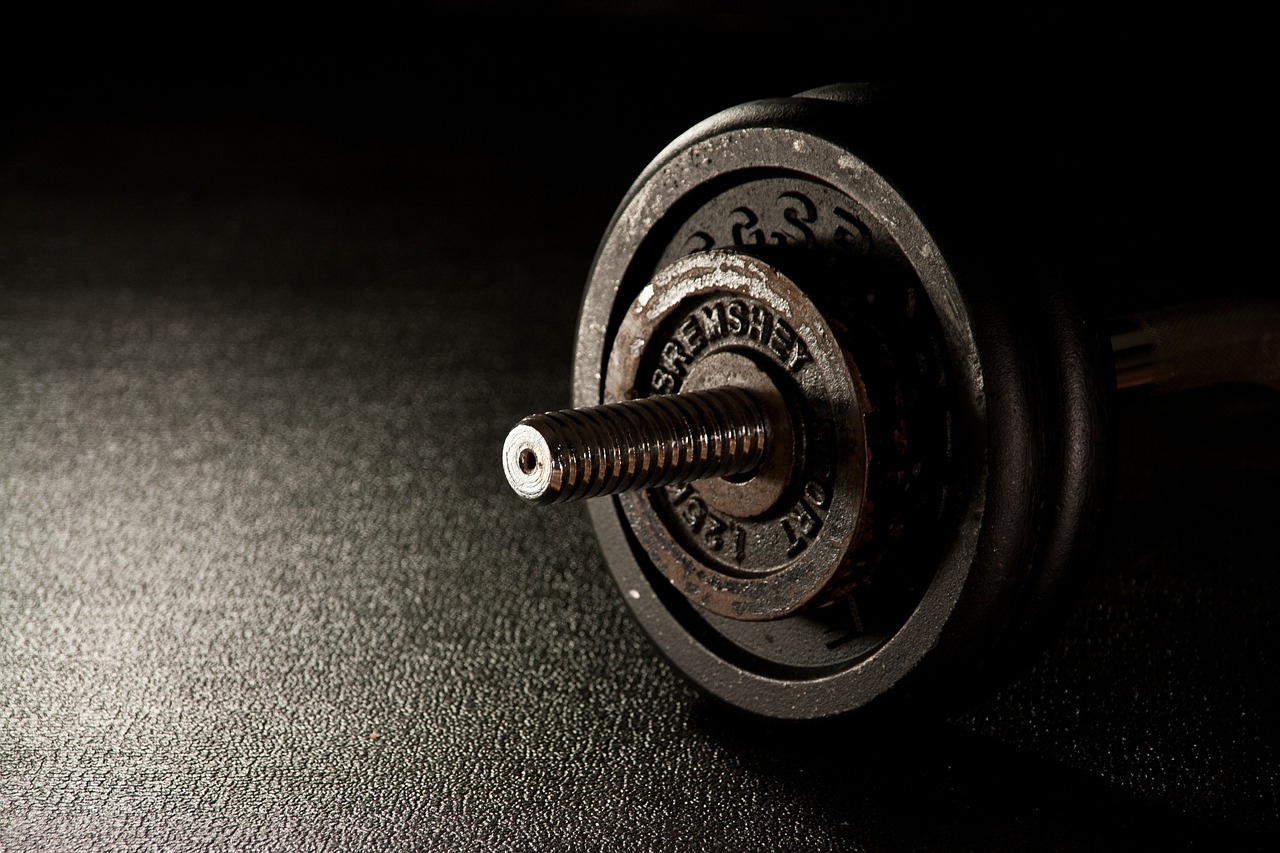
Start with the basics: a good pair of athletic shoes for support and stability, and perhaps a yoga mat for comfort during floor exercises. If you prefer strength training, free weights like dumbbells or resistance bands are versatile and space-saving options. On the other hand, if you love cardio, think about investing in a treadmill or an exercise bike. Remember, the best equipment is the one that you will use regularly, so pick what appeals to you the most.
Safety should be at the forefront of your equipment choices. Look for gear with non-slip surfaces and sturdy construction. When using weights, ensure they have a secure grip handle and consider using weight plates with rubberized edges to minimize the risk of injury. If you're purchasing larger machines, read reviews and opt for models known for their reliability and safety features.
Lastly, don’t forget about space considerations. Make a plan for your gym layout to ensure that you have enough room to move safely without tripping over equipment. Keeping your workout area organized not only enhances safety but also helps you stay focused and motivated during your workouts. By carefully selecting the right equipment, you can create a safe and inviting space that supports your fitness journey.
Warm Up and Cool Down Properly
When it comes to working out at home, many people jump right into their routines without giving a second thought to warming up and cooling down. However, these two practices are essential for preventing injuries and enhancing your overall performance. A proper warm-up gets your body ready for the intense activity ahead, while a cool down helps your muscles recover effectively afterwards.
To warm up effectively, spend about 5 to 10 minutes engaging in light aerobic activities, like brisk walking or dynamic stretches. This increases your heart rate and blood flow to the muscles, making them more flexible and prepared for the workout. Incorporate movements that mimic the exercises you'll perform, such as arm circles for upper body workouts or leg swings for lower body sessions. This not only warms you up but also primes your muscles and joints for action.
After your workout, don't skip the cool down phase! Gradually reducing your activity helps bring your heart rate back to normal and ensures a smooth transition from exercise to rest. Spend another 5 to 10 minutes on gentle stretches, focusing on the major muscle groups you used during your workout. This aids in flexibility, reduces muscle soreness, and speeds up recovery. Taking the time to properly warm up and cool down can make a world of difference, helping you enjoy a safe and effective fitness journey at home.
Listen to Your Body During Exercise
When it comes to working out at home, listening to your body is one of the most important tips for ensuring a safe and injury-free experience. Everyone's body is different, and understanding your own limits can help you avoid unnecessary strain. If you start to feel pain or discomfort, it’s crucial to pay attention to those signals instead of pushing through. Your body often knows best when something isn’t right.
During exercise, be mindful of how you feel both physically and mentally. If you notice sharp pains, excessive fatigue, or even feelings of dizziness, take a break and assess the situation. Consider modifying your routine or lowering the intensity. This approach not only helps prevent injury but also allows you to maintain your motivation and enjoyment of your workouts.
Warm-up and cool-down sessions are also vital for listening to your body. Use these periods to gauge how your muscles are feeling and whether they’re ready for the workout ahead. When cooling down, take time to stretch and relax your muscles, which can help in the recovery process and keep your body feeling good during your next session.
Finally, remember that hydration and nutrition play significant roles in how your body performs. Dehydration or lack of proper fuel can lead to fatigue and injury. Keep water nearby, and ensure you’re eating a balanced diet that supports your fitness goals. By tuning into your body’s needs, you can create a safer and more effective home workout experience.